
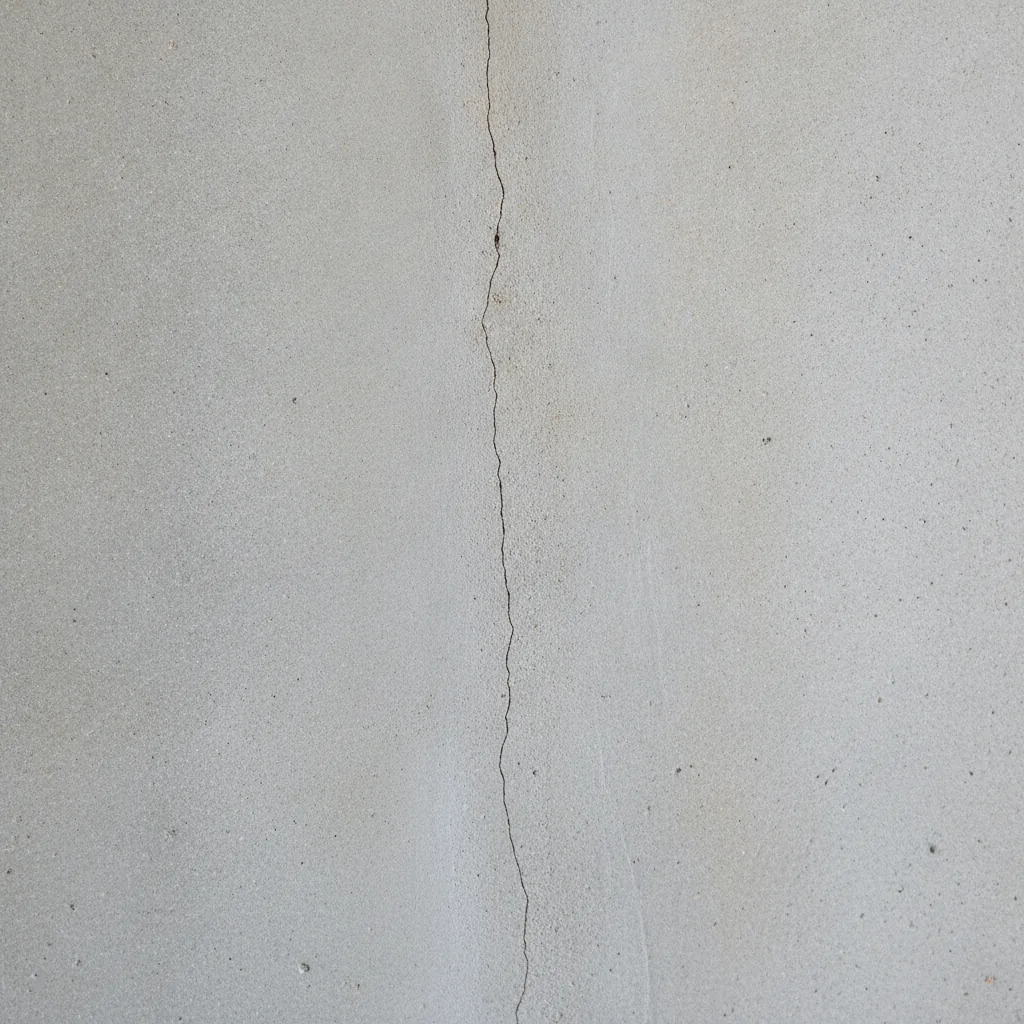
You noticed a crack, went looking for answers, and now you’re bracing for bad news. So let’s lead with the reassuring part: yes, it is completely normal for a foundation to crack. Nearly every concrete foundation develops cracks somewhere over its life, and in Mesa — sitting on soil that swells and shrinks with every season — it’s even more common. A crack by itself is not evidence that something is wrong. What matters is the kind of crack, and most of them are harmless.
Is It Normal for a Foundation to Crack?
It is. Concrete is strong under compression but weak under tension, and it shrinks as it cures. Add in ground that moves, temperatures that swing, and the simple passage of decades, and some cracking is essentially inevitable. Builders and structural engineers expect it. The question is never really “why is there a crack” — it’s “is this a normal crack or a meaningful one,” and the good news is that the normal ones vastly outnumber the meaningful ones.
Why Almost Every Foundation Cracks
A few ordinary forces produce the cracks you’ll see in a typical Mesa home, none of which mean the foundation is failing:
- Curing shrinkage. When concrete cures, it loses moisture and shrinks slightly. That shrinkage has to go somewhere, and it usually shows up as thin, often vertical or spider-web cracks in the first months and years. This is the single most common source of foundation cracks anywhere.
- Normal settling. Every house settles a little as it takes on its own weight and the soil compacts underneath. Minor, even settling produces small cracks and is nothing to worry about.
- Seasonal soil movement. This is the big one in Arizona. Our expansive clay and caliche soils absorb water and swell during monsoon and irrigation, then dry out and shrink during the long dry stretches. The ground under your slab is quietly rising and falling with the seasons, and the least flexible part of the structure — the concrete — shows it as hairline cracking.
- Temperature swings. Concrete expands in heat and contracts in cold. In the desert, where a summer day can swing 30-plus degrees, that ordinary movement adds a little hairline cracking over time.
Notice that none of these are defects. They’re the concrete doing exactly what concrete does in response to a normal environment. For a deeper look at why our local ground is especially active, our piece on why foundations crack in Arizona’s soil goes further into the clay-and-caliche story.
Normal Cracks vs. Warning Signs
So if cracking is normal, how do you know when a crack is trying to tell you something? The difference comes down to a handful of readable features.
Normal cracks tend to be:
- Thin — hairline to about 1/8 inch.
- Vertical, or in a random spider-web pattern.
- Flush — the two sides sit level with each other.
- Stable — not getting longer or wider over time.
- Alone — no sticking doors, sloping floors, or gaps at the trim.
Warning-sign cracks tend to be:
- Horizontal, running sideways across a foundation or stem wall.
- Wider than about a quarter inch.
- Displaced — one side pushed out or dropped below the other.
- Stair-stepped through block or brick, especially near openings.
- Growing, or paired with doors that won’t latch and floors that slope.
If your crack lands squarely in the first list, it’s almost certainly the normal kind. If it has features from the second list — especially horizontal direction or displacement — that’s worth a professional read, not because your house is in danger today, but because catching real movement early keeps the fix small.
When to Stop Worrying (and When Not To)
Here’s permission to relax, and also a line for when not to. You can genuinely stop worrying about a crack that’s thin, vertical, flush, and stable — especially a shrinkage crack in a newer home. Mark the ends with a pencil, jot the date, snap a photo, and check it once or twice a year. If it doesn’t change, it’s just your foundation being a foundation.
Get Your Foundation Looked At
A quick inspection tells you what is really going on beneath the surface — and we will send a written estimate.
→ Request a Written EstimateKeep watching, and get it looked at, when a crack turns horizontal, opens past a quarter inch, develops displacement, starts to grow, or shows up alongside sticking doors and sloping floors. Those are the signs that the soil movement has gone from routine seasonal flexing to actual settlement worth addressing.
The reassuring bottom line: a crack is normal, and worry is optional. If you’d rather have certainty than keep wondering, an honest inspection will tell you plainly which kind of crack you have — and if it’s the ordinary kind, we’ll tell you to save your money. Reach out for a written estimate whenever you want a straight answer.
Frequently Asked Questions
Is it normal for a new house to have foundation cracks?
Yes, it’s very common. New foundations develop shrinkage cracks as the concrete cures and loses moisture in the first months and years, and every home settles slightly as it takes on its weight. Thin, stable cracks in a newer home are usually just curing and settling, not a defect.
How many foundation cracks is too many?
It’s less about the number than the type. A house can have several thin, stable shrinkage cracks and be perfectly sound. One horizontal crack, one crack with displacement, or cracks paired with sticking doors and sloping floors matters more than a dozen harmless hairlines. Look at direction, width, and whether they’re growing.
At what point should I worry about a foundation crack?
Worry — or rather, get it inspected — when a crack runs horizontally, opens wider than a quarter inch, shows displacement where the two sides don’t line up, forms a widening stair-step pattern in block, or appears alongside doors that won’t latch and floors that slope. A thin, vertical, stable crack doesn’t warrant worry.
Do foundation cracks always get bigger?
No. Many cracks, especially shrinkage and minor settlement cracks, stabilize and never change again. Only cracks driven by ongoing soil movement continue to widen. The way to know which you have is to mark the ends with a pencil, date it, and check over a few months to see whether it’s active or stable.