
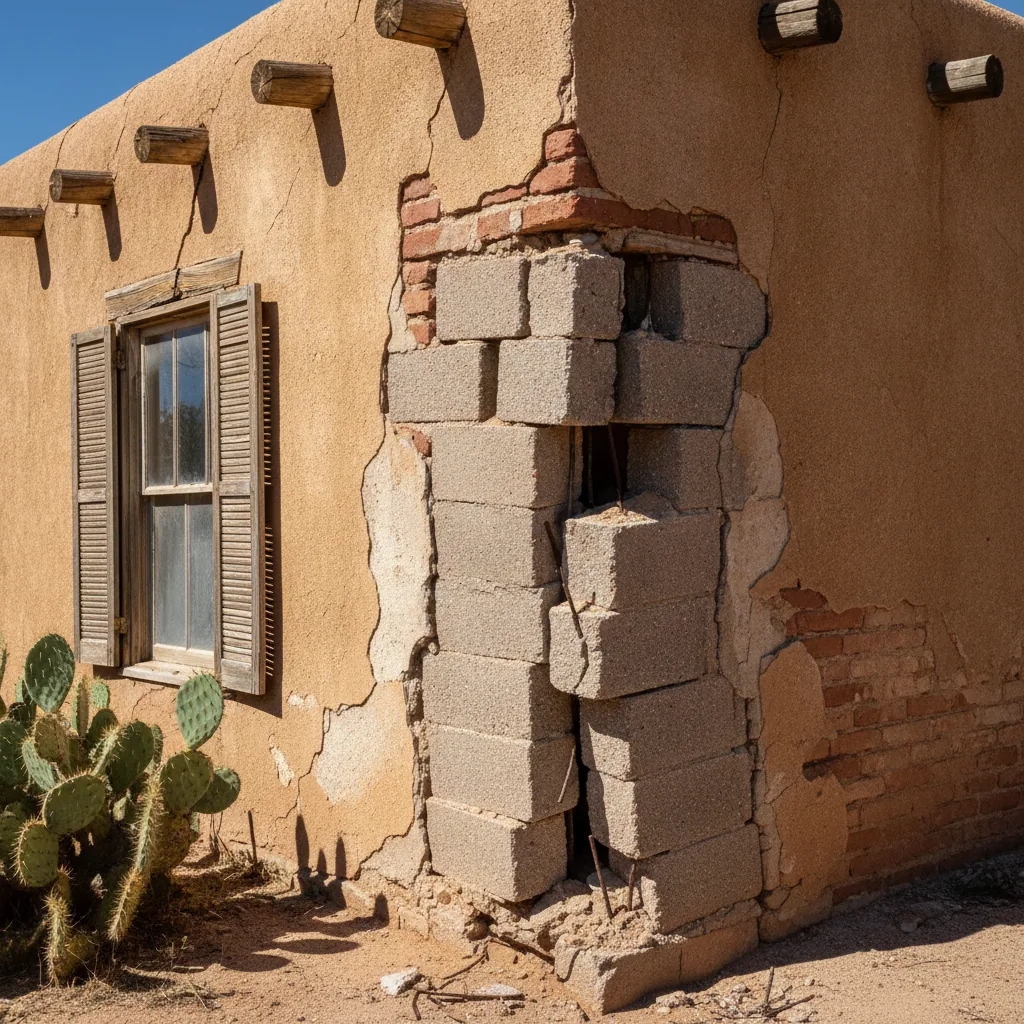
You found a house you actually like in a market where that’s hard to do. Then the inspection report came back with a line about “possible foundation movement,” and now you’re staring at your phone at 10pm wondering if you should run. It’s a genuinely stressful spot, and the honest answer is: most foundation issues are fixable, some aren’t worth the trouble, and the only way to know which one you’re looking at is to get a real number.
This guide is written for buyers, not sellers — how to think clearly about a foundation flag on a Mesa home, when it’s a manageable negotiation, and when it’s genuinely time to walk.
When to Walk Away From Foundation Problems
Let’s put the bottom line first, because you’re anxious and you deserve a clear answer. You should seriously consider walking when the cost and uncertainty of the repair outweigh what you’re gaining on the price — and especially when the seller won’t budge and won’t let you get a proper structural assessment before closing.
You do not need to walk just because the word “foundation” appeared in the report. In the East Valley, minor soil-driven movement is common, and a lot of what gets flagged is a right-sized crack, stem-wall, or leveling repair — not a catastrophe. The mistake buyers make in both directions is deciding on emotion: some walk from a great house over a $2,000 fix, and some fall in love and ignore a $40,000 structural nightmare. The cure for both is the same — get it assessed and priced.
Red Flags That Signal Major Structural Damage
Some signs point to bigger, more expensive movement. None of these are automatic deal-breakers on their own, but several together mean you should slow down and get an engineer or a licensed foundation contractor involved before you go further:
- Horizontal cracks in a foundation or stem wall, or walls that are bowing inward. These signal pressure and are more serious than vertical or hairline cracks.
- Cracks wider than about a quarter inch, especially ones you can see daylight through or that have visibly shifted so one side sits proud of the other.
- Noticeable floor slope you can feel walking across a room, or where a marble rolls on its own.
- Multiple sticking doors and windows throughout the house, not just one in a humid bathroom.
- A history of failed repairs — evidence someone patched it before and it came back.
- A seller refusing inspection access or pressuring you to waive the assessment. That’s the loudest red flag of all.
If you’re not sure how to read what the inspector wrote, our guide on what different foundation cracks mean can help you tell a cosmetic line from a structural one before you spend money on a specialist.
Get a Repair Estimate Before Deciding
Here’s the move that turns panic into a decision: before you walk or commit, get the foundation assessed in writing. A general home inspector is trained to flag concerns, not to diagnose structural cause or price the fix. For that you want either a structural engineer’s evaluation or a licensed foundation contractor’s written estimate — ideally during your inspection period, when you still have leverage.
A real foundation inspection answers the three questions that actually drive your decision:
- What is really wrong — is this active structural movement, or old cosmetic cracking that stabilized years ago?
- What does the correct repair cost — a specific scope and number, not a vague “could be expensive.”
- Will it recur — is the underlying cause being addressed, or just the symptom?
With that number in hand, the whole thing stops being scary and becomes arithmetic.
When the Numbers Still Work
Plenty of foundation flags turn out to be perfectly manageable. The deal still makes sense when:
Get Your Foundation Looked At
A quick inspection tells you what is really going on beneath the surface — and we will send a written estimate.
→ Request a Written Estimate- The repair is right-sized — a targeted crack seal, a stem-wall fix, or slab leveling — rather than whole-house underpinning.
- The seller credits or reduces the price by the repair estimate, so you’re not paying twice.
- The cause is understood and fixable — often it’s drainage or a plumbing leak that saturated the soil, and correcting it stops the movement.
- Even with the repair rolled in, the total is at or below comparable homes without issues.
In that situation, a foundation flag can actually work in your favor — it scares off other buyers and gives you room to negotiate on a house that will be structurally sound once the documented repair is done.
When to Walk
Walk when the math and the behavior stop making sense:
- The repair estimate is a large fraction of the home’s value and the seller won’t adjust the price to reflect it.
- There’s active, ongoing movement with no clear, fixable cause — the ground is still moving and nobody can tell you why.
- The seller blocks a proper assessment, hides prior repair history, or pressures you to waive contingencies.
- The uncertainty is simply more than you can carry — and there are other houses. In Mesa, there usually are.
There’s no shame in walking. A house is the biggest purchase most people make, and “I couldn’t get a straight answer on the foundation” is a completely valid reason to move on.
The Calm Way Through This
Foundation issues on a home you’re buying feel like a crisis, but they’re really just an unknown — and unknowns get solved with information. Get the written diagnosis, get the repair number, and let those two facts make the call instead of your adrenaline. If you want a straight, licensed read on a Mesa home you’re considering, reach out for a written estimate. We’ll tell you plainly whether it’s a small fix or a real problem, so you can decide with a clear head.
Frequently Asked Questions
Is it worth buying a house with foundation problems?
It can be, if the repair is right-sized, the cause is understood and fixable, and the seller adjusts the price to cover it. A written repair estimate during your inspection period turns the question into simple arithmetic: if the discount exceeds the documented repair cost and the home is otherwise sound, the deal can be a good one.
Should I get a structural engineer or a foundation contractor to look at it?
Both have a role. A structural engineer gives an independent evaluation with no financial stake in the repair, which is valuable for a big unknown. A licensed foundation contractor gives you a specific scope and price. For most Mesa purchases, a written contractor’s estimate — or an engineer’s report plus an estimate — during the inspection period is enough to decide.
How much foundation repair is too much on a home purchase?
There’s no single dollar figure — it’s about the ratio. If the repair is a small fraction of the price and the seller credits it, the deal often still works. If the estimate is a large share of the home’s value, the cause is unclear, or the seller won’t budge, that’s when the numbers usually say walk.
Can I negotiate the price down over foundation issues?
Yes, and you should. A written repair estimate is your leverage — you can ask the seller to reduce the price or credit the repair cost at closing. Foundation flags scare off many buyers, which often gives a prepared, informed buyer real negotiating room.